
The Main Differences between Home Care and Nursing Home Care

If you have an ageing parent and you feel the time has come to decide what sort of help to get them, you may be looking at the two most popular options: moving them to a nursing home and acquiring home care service. Normally, when it comes to the two of these, people have a hard time picking, because they are not familiar with the two services.
There are notable differences between moving an ageing person to a nursing home and getting home care for them. Let’s see some of them.
- Moving out of home and staying – to get care in a nursing home, an ageing person needs to move to one. This means leaving their home and moving to the place. It is a stressful experience, which often makes ageing people and their loved ones feel quite insecure about the decision. After all, everyone grows quite used to their home and doesn’t want to leave it, especially at old age. Home care services enable ageing individuals to remain in their own home and provides the care service there. This is perhaps the number one reason people opt for home care, instead of moving their loved ones to a nursing home.
- More personalised service – a nursing home has set standards for what the service there is, and there is little in the way of it being tailor-made to fit a single person. Instead, a home care service is all about the personal attitude and plans Since home care involves sending a professional to the client’s home, it can be tailored to include medical proficiency or even step on the side of housekeeping. Home care enables a more personal relationship with the caregiver.
- Help with chores – it is no secret that ageing individuals have a tough time handling chores. Things like cleaning, cooking, shopping and toileting become near impossible. Moving them to a nursery home eliminates the need to worry about such things since the staff there has it all taken care of. With home care, on the other hand, a professional caregiver can assist the person with such tasks, or even manage them on their own.
- Independence – let’s face it – nursing homes strip people of their independence. They live with others, need to follow the rules of the place, all in the name of security and wellbeing of the people there. Home care is all about maintaining high levels of independence. Since the person doesn’t have to leave their home, they can continue doing the activities that they love, within the comfort of their familiar surroundings. That is a major plus to getting home care instead of moving them to a nursing home.
- Friends and relatives visits – another thing to remember about a nursing home is that they usually have some strict schedule for visits. What this means is that people cannot just come and visit their ageing parents and relatives as they please. With home care, that is not a problem. They can come at any time since the senior person doesn’t leave home.
- Pets – if the ageing person has pets, they need to ensure someone else can take care of them when they move to a nursing home. With home care, pets can continue being part of their life, with the added benefit of help from the home care provider.
There are a few major differences that everyone should consider in regards to moving their ageing parents and loved ones to a nursing home and getting home care service. It is important to consider them, to get the best care for the person.

Home Care Service is Right for Every Elderly Individual
Ageing is a natural process for everyone. With a certain age, one is faced with a lot of new challenges that need to be dealt with. Tasks that seemed trivial in the past now become more and more demanding, to the point where it may not be possible to deal with them. One thing that can help the situation is the home care service.
Home care is a service that involves visits from a professional caregiver at predetermined times in the home of the elderly. The main aspect of this kind of service lies with the fact that the person who requires help can remain in their own home, without having to move to a nursery home.
How to tell if home care is the right service for you?
If you have a relative or a parent of old age, and you are not able to provide the required care they need, then home care is a sound option. There are a few things that might give you a clue that it is time to act and look for such a service provider.
- The ageing person can no longer deal with housework, such as cleaning, washing, ironing, etc.
- They have mobility problems and require help getting around.
- Their dementia or Alzheimer symptoms are progressively increasing.
- They are not eating properly, due to the inability to shop for groceries and cook.
- They have acquired an unkempt appearance.
- They have bruises and wounds from falling and tripping.
These are just some of the signs you need to be aware of in regards to the ageing person needing help. If you feel like that is the case, then don’t delay in contacting a home care agency to provide the service.
What is home all about?
The most notable aspect of home care service lies with the fact that it doesn’t require the elderly person to move out of their home. This is huge since many ageing individuals dread the thought of abandoning their familiar surroundings. The prospect of moving to a facility for assisted care not only bothers them due to the logistics involved. Usually, there is a sense of losing independence and dignity involved, which not every elderly individual takes lightly.
Home care is a service that brings help to the elderly person in their home. Instead of them having to move out, a professional carer is assigned to visit for a certain time per certain period, typically daily. They will ensure that the person receives adequate help in their own home, thus contributing to them maintaining a familiar and safe routine.
What can a home care professional help with?
The tasks that this professional caregiver can address vary, depending on the needs of the elderly individual. Some of the more typical examples include:
- Helping the elderly individual get around
- Doing some household tasks for them – cleaning, ironing, washing, cooking, etc.
- Pet care – to some extent, a professional caregiver can also provide pet care
- Ensure the person takes their medications
- Alarm the doctor or relatives for new symptoms, or progression of existing ones
Of course, these are just some of the tasks that a professional caregiver can address as part of a home care package. The most important thing to remember is that said package can be tailored to meet the needs of the elderly individual. That is what makes it such a nice addition to the life of every ageing individual who needs some companionship and care in their life.

How Best to Discuss Care Needs?
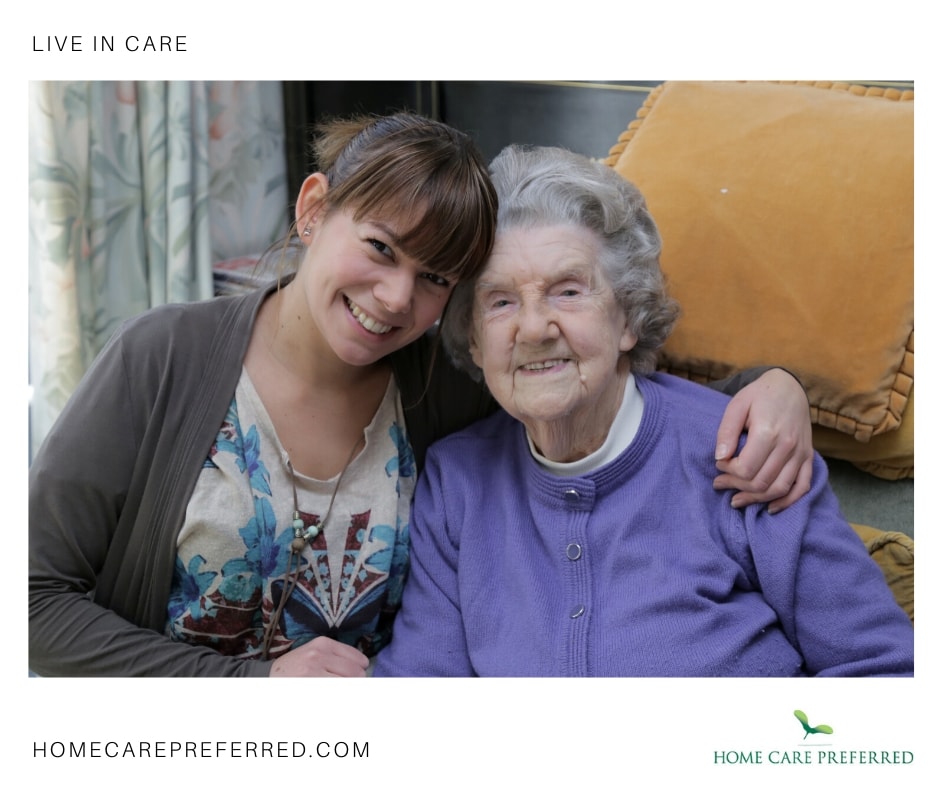
Perhaps you have come to understand that your elderly mother or father needs extra care and support, often beyond what you could provide them with on your own. Their appearance may be looking a bit unkempt and they are growing confused with some of the simple tasks of their everyday activities. Maybe it is a new diagnosis that is causing this need for extra care, or maybe it is just the mileage of their age.
Yet, broaching the subject may be met with resistance. Your elderly parents have dignity, and any suggestion of help will only serve as a reminder of their decline. Perhaps they are afraid of what changes will occur and are harsh to those that mean the best for them. The main issue comes from them not wanting to leave their home since it is a source of security and familiarity.
That is perfectly fine since live-in care services are now available. Home care doesn’t need to introduce the stress of moving to a nursing home or leaving the familiar surroundings in exchange for something new. However, it is important to communicate this option properly, if you wish to get on the same page with the elderly. To that end, the following tips may help you big time:
- Always put yourself in their shoes – what many people don’t understand is that their elderly parents dread getting older. Everyone does, in fact. It is important to know that ageing may seem like something ephemeral to most, but it is real for the elderly, who are discovering more and more problems to cope with every single day. To find the best way of moving forward, you have to know their concerns and respect them. Only then will you be able to reassure them and find good solutions.
- Treating them like adults – a reversal of roles is not an easy thing to accept for most parents. All their life they have been used to taking care of their children, and now that things are turning, they may not be able to adjust. You need to show them respect and treat them like adults and not children you can force into certain decisions.
- Highlight the positive things about home care – you must then highlight all of the benefits that come with home care. For example, they will have someone to drive them around and take them to the shop. They will get help for difficult jobs around the house. Home care is there to help them, and stressing that will make them feel more at ease.
- Remove emotion and turn to facts – you can write a list of reasons why you think your elderly parents need help. Include instances of accidents/illnesses they have had and how home care can help with all that. Clearly present these facts, to make it easier for your parents to face the truth.
- Raise legitimate concerns – be truthful when you share your concerns with your parents. Speak of your fears for them and ask them to accept help for your sake.
- Reiterate that they retain control – the best thing about home care is that the people remain in full control. The care plan caters to their needs and changes can occur to it at any moment. There may even be the option for a trial period, during which your parents will see what it is all about.
Obviously, communicating care needs with the elderly is not an easy task, but it is one that children need to go through.

5 Tips for the Elderly to Deal with Loneliness
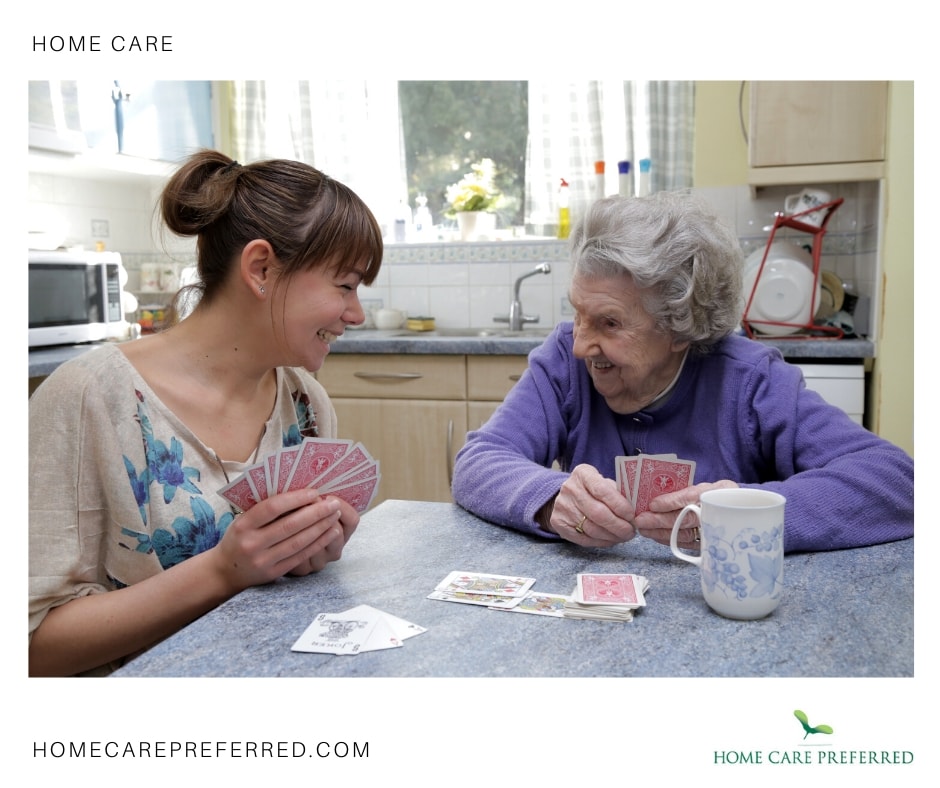
As we get older, it is only natural to feel lonely. Family members we used to live with in the past have likely moved out, some of your acquaintances might have left town and some of your friends might have passed away.
However, it is important to understand that isolation and loneliness are bad for you and that you should not allow them to consume you. There are some steps you can take to turn things around and effectively address loneliness. Here is what you can do:
- Start exploring things around you – to avoid social isolation, you can get out of your home and explore the area. Whether it be a local park or a shopping centre, there will always be something new and exciting to see and do that is not within a great distance. If you are comfortable with it, you can even take a trip to another city, or why not even another country? It is things like that will make you feel more connected to the world around you and not brood on your loneliness. Not to mention that any social experience that takes place in the meantime will better help you to avoid loneliness and depression.
- Pay closer attention to your health – loneliness and isolation can take a toll on your health and wellbeing. Sometimes this will cause you to neglect your health, which leads to nothing good. Other than keeping active, you should try to keep healthy. This not only stimulates your physical wellbeing but also your mental health. In turn, this will help you keep positive and allow you to regain a sense of control that so many senior citizens feel like they have lost. You need energy, to face whatever challenges come your way, and staying healthy is how you can achieve this.
- Turn to your creative side – as people get older, they can turn to their inner creative side. Whether it is writing, playing music or painting, creativity is something you possess within you and only need to unlock. Now, you don’t have to turn into the next great writer or painter, but doing something creative will help you adopt a more positive outlook on life. Not to mention that you can also engage with others, such as when you attend a writing class or visit a painting group. It will keep your mind engaged and your days busy.
- Get a pet – adopting or getting a pet is also a thing you should consider. Pets are more than just mere companions – they become family. Pets provide unconditional love and greatly boost your happiness. Studies reveal that people with pets are happier and better protected against some of the riskiest diseases at old age. Pets provide their owners with a sense of meaning, even when no one else is around. You can also consider home care to get some help for your pet if you feel like it is becoming a burden.
- Be more appreciative in your life – when we put more years behind us, we often think about our past mistakes, what we could have done and the things we didn’t do. Instead of allowing this to bring you down, which is likely, you should instead be more accepting of where you are in life and all of the things you have done. Rather than thinking about what you could have done, think about all of the things you have done instead.
There is no doubt that all of these tips can help senior citizens with their loneliness and feeling of isolation.
